
Wheelchair Friendly Ghats in Varanasi ,Have you ever wondered what it’s like to experience one of the world’s oldest living cities from a wheelchair? Varanasi, the spiritual heart of India, draws millions of pilgrims and tourists every year to its sacred ghats—those iconic steps leading down to the holy Ganges River. For centuries, these ghats have been the lifeline of the city, where devotees perform rituals, take holy dips, and witness mesmerizing evening ceremonies.
But here’s the thing: Varanasi wasn’t exactly built with modern accessibility in mind. The ancient city’s narrow lanes, steep steps, and crowded pathways have traditionally posed significant challenges for wheelchair users. However, times are changing, and the good news is that several ghats in Varanasi are now becoming increasingly accessible to everyone, regardless of their mobility.
Why does this matter? Because spirituality, culture, and the profound experiences Varanasi offers shouldn’t be limited by physical barriers. Every person deserves the chance to witness the sunrise over the Ganges, feel the energy of the evening Ganga Aarti, and connect with the timeless essence of this sacred city.

Understanding Accessibility in Varanasi
Let’s be honest—Varanasi presents unique accessibility challenges. The city’s ancient architecture, with its labyrinthine alleys and thousands of stone steps, wasn’t designed with wheelchairs in mind. For years, wheelchair users and people with mobility challenges found it nearly impossible to access many of the ghats.
But transformation is underway. The Indian government, recognizing the importance of inclusive tourism, has launched several initiatives under the “Accessible India Campaign” (Sugamya Bharat Abhiyan). Local authorities in Varanasi have been working to retrofit several major ghats with ramps, accessible pathways, and better facilities.
Why should we care about accessible ghats? Think about it this way: imagine planning a spiritual journey for months, only to find yourself unable to participate in the very experiences you traveled thousands of miles for. Accessibility isn’t just about infrastructure—it’s about dignity, inclusion, and ensuring that everyone can partake in meaningful cultural and spiritual experiences.
The shift toward accessibility also benefits elderly visitors, parents with strollers, and anyone who might struggle with steep stairs. When we design for accessibility, we design for everyone.
Top Wheelchair Friendly Ghats in Varanasi
Assi Ghat
Assi Ghat is one of the most wheelchair-friendly ghats in Varanasi, and it’s an excellent starting point for your journey. Located at the confluence of the Assi and Ganges rivers, this ghat has undergone significant renovations to improve accessibility.
What makes Assi Ghat special? For starters, it features well-constructed ramps that allow relatively smooth wheelchair access from the road down to the ghat platform. The ramps aren’t too steep, making it easier for both manual and powered wheelchairs to navigate. The ghat is also less crowded than some of the more central ghats, giving you more space and a more relaxed atmosphere.
The best time to visit Assi Ghat is during the early morning hours when you can witness local residents performing their morning prayers and yoga enthusiasts practicing along the riverbank. The evening aarti here is smaller and more intimate than the famous one at Dashashwamedh Ghat, but many find it equally moving.
Pro tip: The area around Assi Ghat has several cafes and restaurants with relatively good accessibility, making it easy to spend a full morning or evening here without worrying about facilities.
Dashashwamedh Ghat
Dashashwamedh Ghat is the crown jewel of Varanasi’s ghats—the most famous, most vibrant, and most spectacular. And here’s the exciting news: it’s becoming increasingly accessible to wheelchair users.
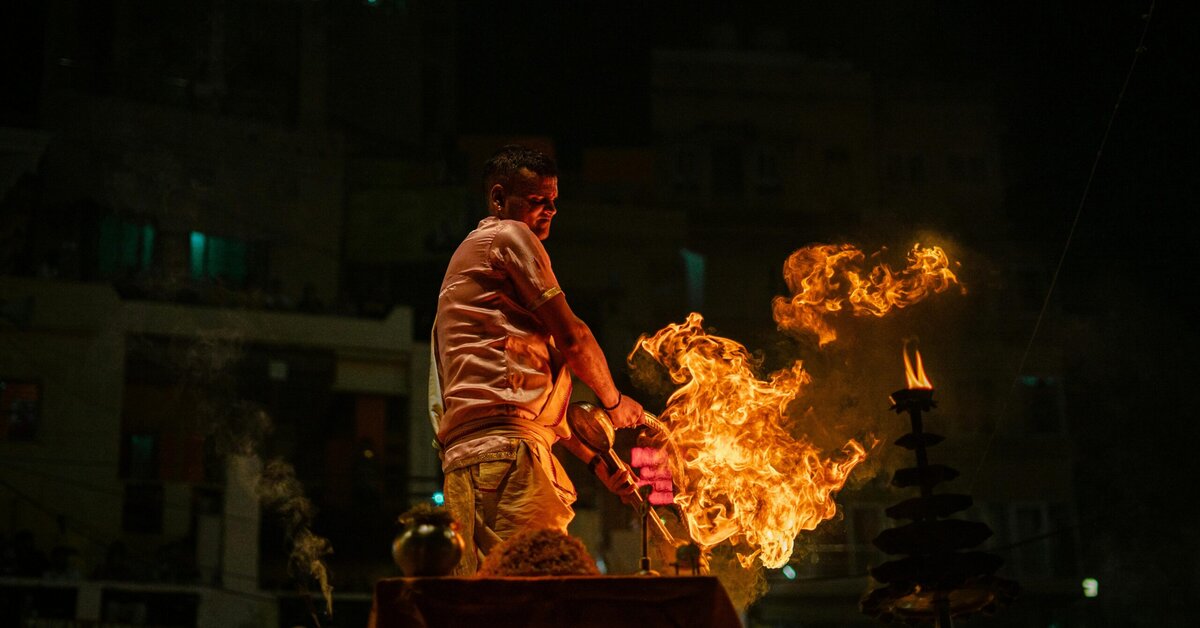
Recent infrastructure improvements have added ramps at strategic points, allowing wheelchair users to access the main platform where the legendary Ganga Aarti takes place every evening. This ceremony, with its synchronized movements of massive oil lamps, ringing bells, and devotional chants, is something that simply cannot be missed.
Can you imagine the experience? The sun sets over the Ganges, hundreds of oil lamps flicker across the water, the air fills with the scent of incense, and the rhythmic chants of the priests create a hypnotic atmosphere. Now, wheelchair users can be part of this magical experience.
However, Dashashwamedh Ghat does get incredibly crowded, especially during the evening aarti. If you’re visiting in a wheelchair, consider arriving at least an hour early to secure a good viewing spot. You might also want to coordinate with local tour operators who can arrange for reserved seating areas with better accessibility and less crowding.
Rajendra Prasad Ghat
Named after India’s first President, Rajendra Prasad Ghat offers excellent accessibility features combined with a more peaceful atmosphere. This ghat has been specifically developed with accessibility in mind as part of Varanasi’s smart city project.
What sets this ghat apart? The pathways are wider, the ramps are gentler, and there’s generally more space to maneuver. The ghat also features accessible restroom facilities nearby—a crucial consideration that’s often overlooked in travel planning.
Rajendra Prasad Ghat is perfect if you want to experience the essence of the Ganges without the overwhelming crowds. You can sit by the river, watch boats glide by, observe local rituals, and soak in the spiritual atmosphere at your own pace. The sunrise views from here are particularly stunning, with softer light painting the ancient city in golden hues.
Tulsi Ghat
Tulsi Ghat holds special significance in Hindu mythology and is associated with the poet-saint Tulsidas, who wrote the famous Ramcharitmanas here. The ghat has recently been upgraded with wheelchair-friendly pathways, making it more accessible to visitors with mobility challenges.
The approach to Tulsi Ghat features relatively smooth ramps, and the ghat itself offers a serene environment that’s less commercialized than some of the more famous ghats. This makes it ideal for quiet contemplation and spiritual connection.
The cultural significance of Tulsi Ghat adds another layer to your visit. Knowing that you’re sitting where one of Hinduism’s greatest literary works was composed adds a profound dimension to the experience. The ghat also hosts regular cultural programs and music performances, which are generally accessible to wheelchair users.
Facilities Available at Accessible Ghats
Ramps and Pathways
The most critical feature of any accessible ghat is, of course, the ramps and pathways. The wheelchair-friendly ghats in Varanasi now feature concrete or paved ramps with gentle gradients. While not all ramps meet international accessibility standards, they’re a vast improvement over the steep stone steps that previously made the ghats completely inaccessible.
Most ramps have been designed with a gradient that allows manual wheelchair users to navigate them, though having an assistant is still recommended. The pathways leading to the ghats have also been widened in many areas, making it easier to navigate through the typically crowded spaces.
Accessible Restrooms
Let’s talk about something practical that travelers often worry about—restrooms. Several major ghats now have accessible toilet facilities nearby. These facilities may not match Western standards in all cases, but they provide essential amenities that make longer visits feasible.
Rajendra Prasad Ghat and Assi Ghat have the best accessible restroom facilities. It’s always a good idea to plan your visit with these facilities in mind, especially if you’re spending several hours exploring the ghats.
Parking Facilities
Getting to the ghats is half the battle. Several accessible ghats now have designated parking areas within reasonable distance. Assi Ghat, in particular, has parking spaces relatively close to the ghat entrance, reducing the distance you need to travel from your vehicle.
For wheelchair users, coordinating with your hotel or tour operator about drop-off points can make a significant difference in your experience. Some locations allow vehicles to get quite close to the ghat entrances during off-peak hours.
Planning Your Visit: Essential Tips
Best Time to Visit Varanasi
Timing can make or break your Varanasi experience, especially if you’re navigating with a wheelchair. The best time to visit Varanasi is during the winter months, from October to March. During this period, the weather is pleasant, making it easier to spend time outdoors without excessive heat.
Avoid the monsoon season (July to September) when the ghats can become slippery and difficult to navigate, even with ramps. The summer months (April to June) can be brutally hot, which can be particularly challenging for wheelchair users spending extended periods outdoors.
Transportation Options for Wheelchair Users
Getting around Varanasi requires some planning. The narrow lanes of the old city aren’t accessible to most vehicles, so you’ll need to think strategically about transportation.
Consider hiring a private vehicle with a driver who knows the city well and understands accessibility requirements. Some tour operators in Varanasi now specialize in accessible tourism and can provide vehicles with ramps or lifts. Auto-rickshaws can work for shorter distances if you can transfer into and out of them, though they won’t accommodate wheelchairs directly.
For getting to and from the ghats, many wheelchair users find that arriving early in the morning or late evening when there’s less traffic makes navigation easier.
Hiring Assistance and Guides
Here’s something important: don’t hesitate to hire local assistance. Having someone who knows the city, understands the ghat layouts, and can help navigate crowds can transform your experience from stressful to enjoyable.
Many local tour guides are now trained in accessibility awareness. They can help you find the best routes, avoid problematic areas, and ensure you don’t miss out on experiences. Some wheelchair users hire personal attendants for their Varanasi visit, which provides additional peace of mind.
Experiencing the Ganga Aarti in a Wheelchair
The Ganga Aarti is the spiritual highlight of any Varanasi visit. This evening ceremony, performed daily at Dashashwamedh Ghat, is a spectacular display of devotion that engages all your senses.
Can wheelchair users fully experience the Ganga Aarti? Absolutely! With proper planning, you can position yourself to have an excellent view of the ceremony. The key is arriving early—at least 60 to 90 minutes before the aarti begins. This gives you time to secure a good spot and get settled before the crowds arrive.
Some tour operators offer boat viewing options, which can be an excellent alternative. Watching the aarti from a boat on the Ganges gives you a different perspective and can be more comfortable for wheelchair users. You’ll need to transfer into the boat, but many boat operators are experienced in assisting passengers with mobility challenges.
What makes the Ganga Aarti unforgettable isn’t just what you see—it’s what you feel. The collective energy of thousands of people, the hypnotic movements of the priests, the flickering lamps reflected in the dark waters of the Ganges—it’s an experience that touches something deep in the human spirit, regardless of your religious beliefs.
Accommodation Options Near Accessible Ghats
Where you stay can significantly impact your accessibility experience in Varanasi. Several hotels near the accessible ghats now offer wheelchair-friendly rooms and facilities.
Near Assi Ghat, you’ll find several mid-range and boutique hotels with accessibility features. Some have elevators, accessible rooms, and staff trained in assisting guests with mobility challenges. The advantage of staying near Assi Ghat is that you’re close to an accessible ghat while also being in a neighborhood with restaurants, cafes, and shops.
For those wanting to stay in the heart of the action, there are hotels within reasonable distance of Dashashwamedh Ghat, though the old city’s narrow lanes mean you’ll need to do some research about exactly how accessible the routes are.
Budget-conscious travelers can find accessible accommodation options as well, though you’ll need to communicate your specific needs clearly when booking. Don’t just rely on “accessible” claims—ask specific questions about ramp access, doorway widths, bathroom facilities, and elevator availability.
Challenges and How to Overcome Them
Let’s be realistic—visiting Varanasi in a wheelchair still comes with challenges. The city’s ancient infrastructure means that even with improvements, you’ll encounter obstacles.
The narrow lanes leading to many ghats remain difficult to navigate. Crowds can be overwhelming during peak hours and festival times. The humid climate can be draining, and the sensory intensity of the city—the sounds, smells, and constant activity—can be exhausting.
How do you overcome these challenges? First, adjust your expectations. You might not be able to visit every ghat or explore every corner of the old city, and that’s okay. Focus on the accessible areas and make the most of those experiences rather than frustrating yourself trying to access everything.
Second, plan your visits during off-peak hours when possible. Early mornings are particularly good—the ghats are less crowded, the light is beautiful, and the atmosphere is more peaceful.
Third, stay flexible. If a particular ghat or area isn’t working out, don’t force it. Varanasi has so much to offer that you can have a rich experience even if you focus on just a few accessible locations.
Future Developments in Accessibility
The future looks promising for accessibility in Varanasi. As part of the Smart City Mission, several major infrastructure projects are underway that will further improve accessibility at the ghats.
Plans include expanding accessible pathways, installing more ramps, improving lighting for better navigation, and enhancing facilities at key locations. The Uttar Pradesh government has also committed to making tourism infrastructure more inclusive, recognizing that accessible tourism is both socially important and economically beneficial.
There’s also growing awareness among local businesses about the importance of accessibility. More hotels, restaurants, and tour operators are investing in accessible infrastructure and training their staff in disability awareness.
The vision for Varanasi is a city where spirituality and accessibility go hand in hand—where ancient traditions meet modern inclusivity, allowing everyone to experience the timeless magic of the Ganges.
Conclusion
Varanasi is transforming. What was once a nearly impossible destination for wheelchair users is becoming increasingly accessible, opening up one of the world’s most profound spiritual experiences to everyone. While challenges remain, the progress is real and meaningful.
The wheelchair-friendly ghats of Varanasi—Assi, Dashashwamedh, Rajendra Prasad, and Tulsi—offer genuine opportunities to connect with the spiritual essence of this ancient city. With proper planning, realistic expectations, and perhaps a bit of adventurous spirit, wheelchair users can experience the sunrise over the Ganges, witness the mesmerizing Ganga Aarti, and feel the timeless energy that has drawn seekers to these sacred waters for millennia.
Remember, accessibility is a journey, not a destination. Every wheelchair user who visits Varanasi helps pave the way for those who follow, demonstrating the demand for inclusive tourism and encouraging further improvements. Your visit matters not just for your own experience but for the broader movement toward a more accessible world.
So, are you ready to experience the magic of Varanasi? The ghats are waiting, the Ganges flows eternal, and the spiritual heart of India is opening its arms wider than ever before.
FAQs
1. Are all ghats in Varanasi wheelchair accessible?
No, not all ghats are wheelchair accessible. Currently, Assi Ghat, Dashashwamedh Ghat, Rajendra Prasad Ghat, and Tulsi Ghat offer the best accessibility features. Many other ghats still have only steep stone steps without ramps. However, accessibility improvements are ongoing, so more ghats may become accessible in the future.
2. Can I watch the Ganga Aarti from a wheelchair?
Yes, you can definitely watch the Ganga Aarti from a wheelchair at Dashashwamedh Ghat, which now has ramp access. Arrive early to secure a good viewing position before crowds gather. Alternatively, you can watch from a boat on the Ganges, which offers a unique perspective and may be more comfortable for some wheelchair users.
3. Are there wheelchair-accessible hotels near the ghats in Varanasi?
Yes, several hotels near accessible ghats offer wheelchair-friendly accommodations. Areas near Assi Ghat have the best selection of accessible hotels. When booking, specifically inquire about elevator access, room accessibility, bathroom facilities, and the route from the hotel to nearby ghats to ensure it meets your needs.
4. What’s the best time of year to visit Varanasi for wheelchair users?
The best time to visit is from October to March when the weather is cooler and more comfortable for spending time outdoors. Avoid the monsoon season (July-September) when ghats become slippery and difficult to navigate, and the extreme heat of summer months (April-June) which can be particularly challenging for extended outdoor activities.
5. Do I need to hire a guide or assistant for visiting Varanasi in a wheelchair?
While not absolutely necessary, hiring a guide or assistant familiar with Varanasi’s accessible routes is highly recommended. They can help navigate crowds, find the best pathways, avoid problematic areas, and ensure you don’t miss important experiences. Many wheelchair users find that having local assistance transforms their visit from stressful to enjoyable.



Comments are closed.